American Flag Fish: A Designer's Take on Patriotic Stitching
As someone who spends more time staring at stitch maps than most people spend watching television, I approach every new machine embroidery design with a mix of excitement and skepticism. We've all been there: you download a file that looks crisp on the screen, only to find it turns into a bird's nest of thread once it hits the fabric. That is why my review of the American Flag Fish comes from a place of practical scrutiny. This isn't just about whether the graphic is cute; it is about whether it holds up under the needle, survives a wash cycle, and actually sells in a crowded marketplace.
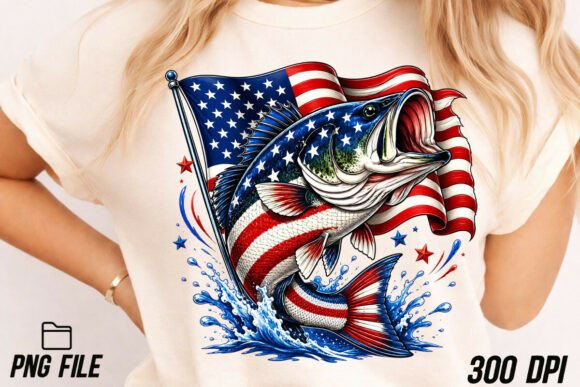
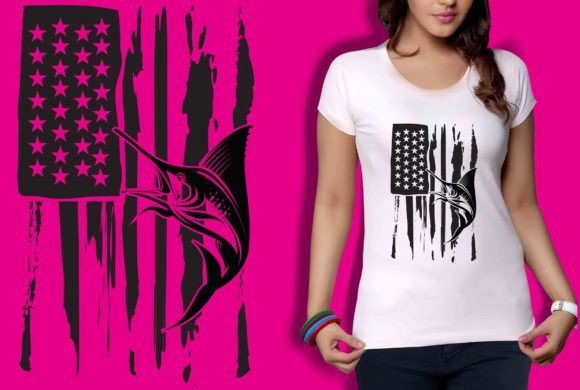
The first thing that strikes me about this asset is its versatility. While it is categorized under T-Shirt Designs and general Graphics, the underlying structure suggests it was built with adaptability in mind. The description notes that the file is made with 100 vector shapes and is resizable. For an embroiderer, "resizable" is a double-edged sword. It means you can scale the design for a tiny baby onesie or a large back-panel sweatshirt, but it also means you have to be incredibly careful about stitch density. If you shrink a design meant for a tote bag down to a pocket size without adjusting the fill settings, you will end up with a solid puckered mess. However, the clean lines of the fish silhouette suggest that, with proper digitizing adjustments, this could transition beautifully from a screen print to a stitched embroidery project.
Visual Impact and Real-World Application
Let's talk about where this design actually shines. The motif of a fish composed of flag elements immediately evokes a sense of Americana, outdoor leisure, and coastal pride. I recently simulated a project using a similar concept for a client who runs a small bait and tackle shop near a lake. They wanted something that felt patriotic but wasn't just another eagle or star-spangled banner. The American Flag Fish fits that niche perfectly. It creates a mood that is relaxed yet proud, making it an ideal candidate for custom apparel aimed at fishermen, boaters, or anyone celebrating the Fourth of July.
In terms of specific applications, I see this working exceptionally well as an embroidered patch. Because the shape is distinct and self-contained, it would look fantastic stitched onto a twill backing, cut out, and applied to a cap or a backpack. The vector nature of the source file (available in AI, EPS, SVG, and PDF) means you can easily manipulate the colors to match specific brand threads before even sending it to your digitizer. For those selling handmade products on platforms like Etsy, this kind of specificity is gold. It allows you to create a personalized gift that feels bespoke rather than generic.
I also envision this working well on heavier fabrics. A sweatshirt embroidery project using this design on a heather grey fleece would provide enough contrast for the red and blue elements to pop without looking garish. The simplicity of the fish shape allows the texture of the fabric to complement the design rather than fighting against it. If you are running a craft business, consider offering this on tote bag designs for beach days or farmers' markets. The symbolism translates well to reusable bags, appealing to customers who want to show their spirit while staying eco-friendly.
Technical Considerations for the Embroiderer
Now, let's get into the nitty-gritty technicalities, because this is where projects live or die. Since the product description highlights that this is a vector graphic intended for printing and modification, it is crucial to understand that this is likely not a ready-to-stitch embroidery file (like DST or PES) straight out of the box. You will likely need to take these vector assets into your digitizing software to create the actual stitch map. This gives you control, but it also places the responsibility of stitch density and underlay squarely on your shoulders.
If you are planning to use this on stretchy fabrics, such as a performance tee or a thin cotton blend, you must pay attention to the "fill" areas. A solid satin stitch or dense fill stitch across the body of the fish could cause significant distortion if not stabilized correctly. My advice? Always test the design on scrap fabric first. Use a cut-away stabilizer for garments that will be washed frequently, like t-shirts and baby embroidery items. For a holiday embroidery project like a table runner or pillow cover that sees less abrasion, a tear-away might suffice, but I generally prefer the security of cut-away for anything involving large blocks of color.
There are also specific scenarios where you need to exercise caution. If you attempt to stitch this on a curved surface like a baseball cap, the horizontal lines of the flag within the fish shape could warp if the hoop tension isn't perfect. Similarly, if you are working with dark fabric, you need to ensure your thread colors have enough saturation. A bright red on black navy works, but a lighter blue might get lost. I recommend creating black and white mockups before committing to thread selection to check the contrast levels. This simple step can save you hours of unpicking thread later.
Maximizing Value for Small Shops
For the Etsy seller or boutique owner, the value of a design like American Flag Fish lies in its ability to be adapted. Because you receive formats like SVG and EPS, you can easily create printable mockup images for your online store before you even stitch a single thread. This helps gauge customer interest and refine your marketing photos. When presenting this as a small shop product, focus on the quality of the finish. A clean, well-digitized version of this graphic signals professionalism. It tells the buyer that you care about the details, which builds customer trust and encourages repeat business.
Furthermore, consider the licensing implications. While the file is easy to modify, always confirm the license terms before selling finished items or digital derivatives. Some creators allow commercial use for physical goods but restrict the resale of the digital file itself. Ensuring you are compliant protects your craft business from potential legal headaches down the road. If you are unsure, reach out to the creator or stick to selling the physical finished product rather than the digital asset.
Ultimately, the American Flag Fish is a strong contender for your design library if you are willing to put in the digitizing legwork. It offers a fresh take on a classic theme, avoiding the clichés often found in patriotic design assets. Whether you are stitching up a batch of aprons for a local diner, creating custom gear for a fishing tournament, or just making a unique gift for a family member, this graphic has the bones to support a high-quality outcome. Just remember: the file is the blueprint, but your expertise with the machine, the thread, and the fabric is what turns it into art.
Before you start stitching, take a moment to review the hoop size requirements relative to your machine's capabilities. Ensure your needle is sharp and appropriate for the fabric weight. And never underestimate the power of a good press after stitching to flatten those stitches and make the colors truly sing. With the right preparation, this design can become a staple in your seasonal collection, bridging the gap between digital convenience and tactile craftsmanship.