USA Flag Retro Leopard: Bold Graphics for T-Shirt Designs
As a graphic designer constantly juggling requests from boutique owners and handmade business entrepreneurs, my first glance at a new graphic design asset is always critical. I need to know immediately if it's a fleeting trend or a viable tool for building a cohesive brand identity. When I opened the files for the USA American Flag Retro Leopard Print, the initial impression was one of high-energy nostalgia mixed with modern edge. This isn't just a standard patriotic overlay; it is a statement piece that merges classic Americana with the bold, organic chaos of animal print. For a client looking to launch a summer campaign or refresh their Etsy product line, this visual mood offers a distinct departure from the usual flat vector stars and stripes.
Visual Mood and Client Fit
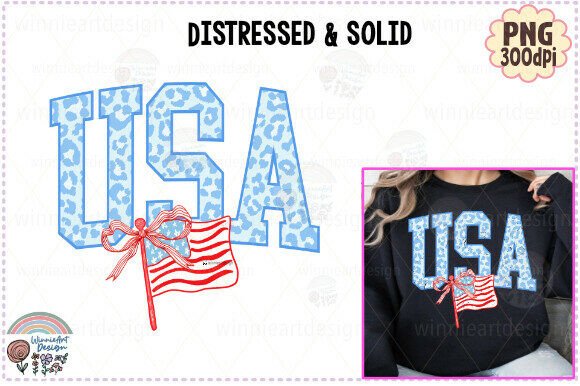
The aesthetic here is undeniably retro, leaning into a vintage 70s vibe that feels incredibly current in today's fashion landscape. The texture of the leopard spots breaks up the rigid geometry of the flag, creating a dynamic surface that feels alive. In a real-world scenario, imagine a client running a small clothing boutique who wants to capture the attention of a younger, trend-focused demographic without losing the patriotic theme. This digital product fits that brief perfectly. It transforms a potentially cliché subject into something fashionable and wearable. The color palette, likely featuring warm sepia tones or vibrant retro hues depending on the specific variation, adds depth that flat colors often lack.
However, adopting this asset requires a strategic approach. It is not a subtle background element; it demands to be the hero. When integrating this into a brand identity, it works best as a focal point rather than a supporting actor. It naturally fits projects that celebrate individuality, such as limited-edition merchandise, festival apparel, or lifestyle branding for creative entrepreneurs.
Performance in Real Design Situations
In terms of application, the versatility of this file is surprising given its bold nature. For T-Shirt Designs, which is the primary category for this asset, the impact is immediate. Placed on a heather grey tee or a classic black cotton blend, the pattern creates a textured look that mimics high-end sublimation printing. Beyond apparel, I can see this working exceptionally well for packaging design. Imagine a jewelry box or a candle label where the lid features this print; it instantly elevates the unboxing experience, signaling that the brand is fun, bold, and confident.
For digital sellers and print-on-demand operators, this asset is a goldmine for expanding catalog variety. It translates well to tote bags, phone cases, and even sticker design sheets. The organic shapes of the leopard print prevent the design from looking pixelated or stiff when scaled, provided the resolution holds up. Speaking of resolution, the file specifications are crucial here. The asset arrives as a DIGITAL FILE ONLY package. You will receive one zip file containing two high-resolution PNG files at 300 DPI, with dimensions of 4500 x 3500 pixels. It is important to note that these are NOT SVG files, meaning they are raster images, not vectors. This distinction is vital for workflow planning.
Strategic Placement and Limitations
Where does this shine? It dominates large layout areas. As a hero graphic on a landing page or a full-bleed poster, the intricate details of the spots and stars create a rich visual tapestry. It is excellent for themed collections where you want to unify different products under a single visual umbrella. For social media graphics, particularly Instagram posts or Pinterest pins, the high contrast and recognizable patterns stop the scroll effectively.
Conversely, there are scenarios where caution is required. Because the pattern is busy, it should be used carefully in small sizes. If you shrink this down for a favicon or a tiny footer logo, the details will muddy together, losing the definition between the flag elements and the animal print. It is also ill-suited for minimalist branding or corporate materials that require a very clean visual hierarchy. Placing text directly over this pattern can be a nightmare for readability unless you use heavy drop shadows, solid backing boxes, or choose a very thick display font. Avoid pairing it with delicate script fonts or thin sans serif fonts unless you have significant negative space to work with.
Impact on Brand Perception and Hierarchy
Using the USA American Flag Retro Leopard Print sends a specific message about a brand's personality. It suggests confidence, a touch of rebellion, and a willingness to stand out. For audience engagement, this emotional appeal can be powerful, fostering a sense of community among customers who identify with this bold style. However, it can detract from visual trust if used in contexts that demand seriousness or authority. The key to maintaining professionalism is balance. Use the print as an accent—perhaps on the sleeve of a shirt or the side of a box—while keeping the main logo clean and legible. This ensures that while the marketing visuals are eye-catching, the core brand recognition remains intact.
Practical Designer Notes and Technical Checks
Before committing this asset to a final client deliverable, there are several technical steps I always recommend. First, test the design in black and white. Even though this is a colorful concept, seeing how the values translate to grayscale helps determine if the contrast is strong enough for single-color screen printing options. Next, check the contrast on both light and dark backgrounds. Since the file is a PNG, inspect the transparency thoroughly to ensure there are no unwanted white halos around the edges of the stars or spots.
Since these are raster files and NOT SVG files, you cannot infinitely scale them without potential quality loss, although at 4500 x 3500 pixels, you have plenty of room for most standard print applications. Always preview the image at 100% zoom to check for any compression artifacts. When pairing with typography, compare how it looks against a sturdy serif font versus a modern handwritten font; the former might ground the design, while the latter could amplify the retro feel.
Finally, and most importantly, review the licensing terms. Ensure you have the appropriate commercial license before using this for a client project or selling it as part of your own design bundle. Understanding the difference between personal use and commercial rights is non-negotiable for professional designers. With the right preparation and strategic placement, the USA American Flag Retro Leopard Print is a potent tool in the modern designer's arsenal, capable of turning a standard patriotic concept into a standout creative design that resonates with today's market.